There are a number of ways our bodies can tell us when something about our health isn’t optimal. The signs and symptoms we experience are the body’s way of communicating something may be wrong.
Your dietitian will ask you about a variety of symptoms to help you get to the root of your issues and restore your health and quality of life – but learning to read your own body will make the process easier, and it will help you better communicate with your healthcare provider.
What Should You Look For?
Skin. Take note of how your skin has been looking and feeling. Note signs of skin irritation, impaired or slowed wound healing, easily bruising, or other changes in appearance or texture. You are the expert on your own body – you know what its normal is, and you know when something is amiss.
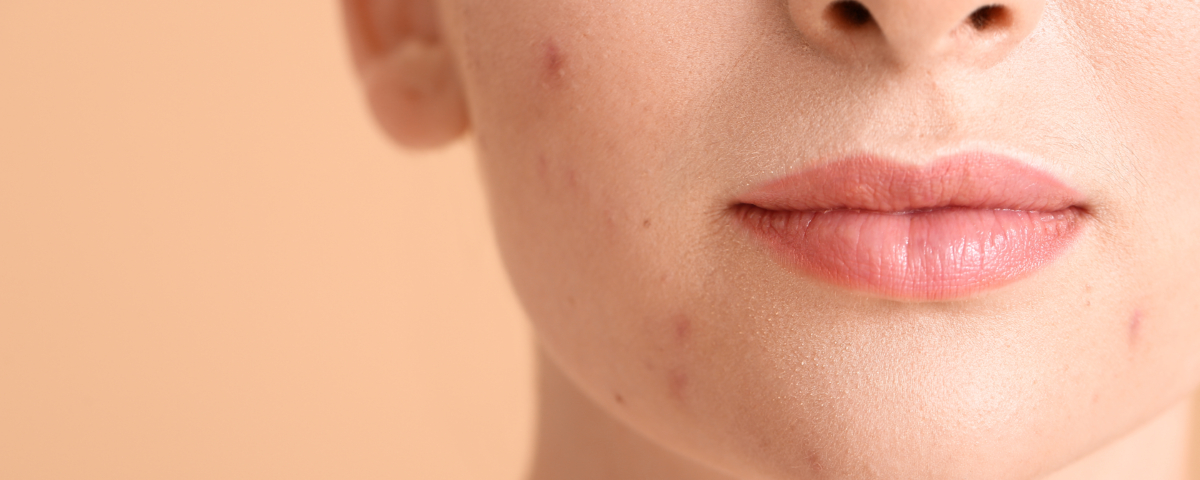
For example, do you have acne that has worsened recently? Has it coincided with any other changes in your lifestyle or environment? Or do you notice that your skin changes with your menstrual cycle?
Eczema can cause red, dry, itchy skin and can be linked to food allergies for some people. For those with darker skin tones, the affected area usually appears lighter or darker rather than red.
Hair. Changes with hair can serve as an indicator of health as well. For example, conditions such as polycystic ovary syndrome (PCOS) can cause hair thinning or hair loss. PCOS can also cause hirsutism, or excessive growth of dark or coarse hair. But PCOS doesn’t just affect your hair – it is also associated with insulin resistance. Basically, issues with skin or hair can sometimes be the tip of the iceberg in terms of your health.
Nails. Your nails can also tell you a thing or two about your health. Spoon nails — where there’s an indentation and the nail appears to curve inwards — can be a sign of anemia and is also associated with hypothyroidism and cardiovascular disease. Clubbing, where the nail appears to curve in the opposite direction and looks abnormally rounded, may be an indication of iodine deficiency, irritable bowel disease, congenital heart disease, or cirrhosis. Horizontal indentations on the nails, referred to as Beau’s lines, are associated with malnutrition, type 2 diabetes, peripheral vascular disease, and zinc deficiency. Soft, flaky, and split nails may indicate low magnesium or biotin.
Eyes. Your eye health is also connected to the overall health of your body. Bitot spots, which result from a buildup of keratin and may look like well-defined gray areas on your eyes, are a prime sign of vitamin A deficiency. If the area on the inside of your lower lid, the conjunctiva, appears pale, that could be another sign of anemia. Definitely note any discomfort or changes in appearance in your eyes.
Mouth. The tongue is another key area that can be an indicator of health. Chronic bad breath that persists even when you brush your teeth and maintain oral hygiene, can be attributed to a number of causes. Fungal or bacterial infections, gastrointestinal dysbiosis, tonsil stones, and other conditions can cause chronic bad breath. An appearance of yellow coating on the tongue may be a sign of fungus or yeast, or another bacteria. White growths on your tongue and in your mouth are another telltale sign of a fungal infection. Burning Mouth Syndrome, a cause of pain and discomfort in the mouth area that resembles burning, can result from a number of irritations or allergies, as well as medications, infections, or nutritional deficiencies.
Physical signs may range from seemingly minor to severe. It is important to take note of them and inform your dietitian and doctor. Our dietitians will discuss your health history and symptoms extensively at your initial appointment and continue following up with you on their progress in subsequent sessions. It may be helpful to record the signs and symptoms you experience in a notebook or on your phone to have on hand when you meet with your healthcare provider.
Signs stemming from nutrient deficiencies can be addressed with relative ease but make a world of difference in terms of how your body feels and functions. Clem & Thyme offers the NutraEval test from Genova Diagnostics, which can help you and your dietitian evaluate your nutrient status and inform your nutrition care.

