Would you believe us if we told you selenium used to be considered highly toxic? And that iodine can become toxic if selenium isn’t present? Well, it turns out it’s true. It wasn’t until the 1990s that scientists began to understand that selenium was essential for thyroid hormone synthesis and metabolism. This revelation ultimately led to scientists connecting the dots between selenium and iodine. And as it turns out, selenium prevents iodine from becoming toxic. This prevention allows iodine to have a positive effect on the body. But don’t just take our word for it. In this article, we’ll discuss the benefits of proper iodine and selenium intake to your thyroid and overall health.
But first, Let’s Talk About the Thyroid
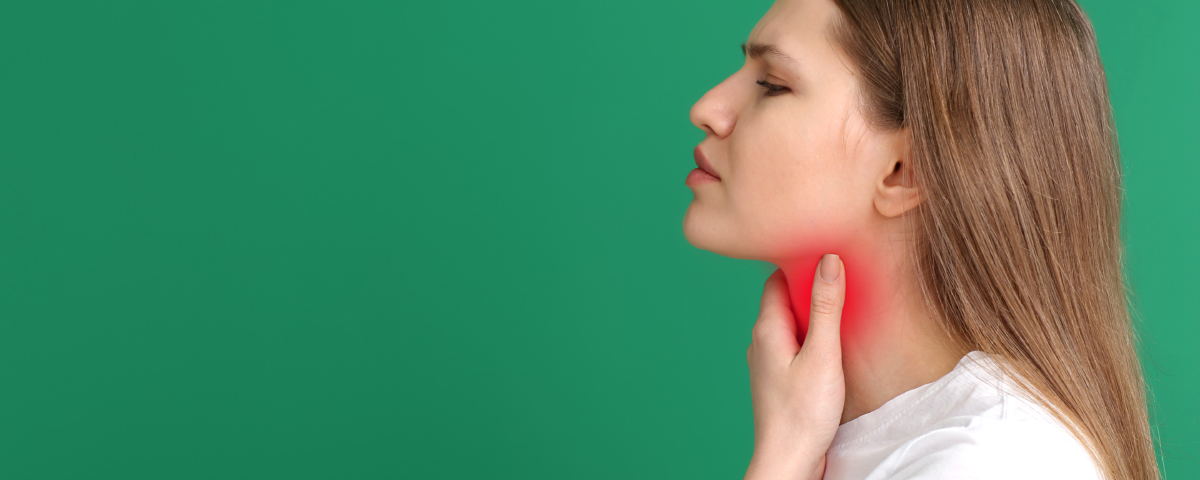
Your thyroid is a gland that sits at the base of the front of your neck. It produces two major hormones: T3 (triiodothyronine) and T4 (thyroxine). These hormones heavily affect your metabolism, growth and development, body temperature, and a variety of other major functions in the body.
Functions of the Thyroid:
- Metabolism
- Body temperature
- Cardiac output
- Digestion
- Hormone creation
- Energy
- Pain levels
- Heart rate
- Ability to absorb nutrients
- Mood
- And more!
Why Your Thyroid Health Matters
Thyroid problems can create or advance hormonal, adrenal, and gut imbalances. These issues can progress into autoimmune diseases and other chronic conditions if not treated or controlled.
Checking Your Thyroid Health
When checking for thyroid conditions, getting a full thyroid panel with antibodies is important. We see many clients with autoimmune conditions in the early stages of hypothyroidism or with sub-clinical hypothyroidism that may be misdiagnosed with a standard panel that checks TSH levels.
Thyroid Hormones
T3: Triiodothyronine
T3 helps regulate digestion, muscle control, brain function, bone health, and heart function. It also controls metabolism and body temperature. Free T3 is the active form.
T4: Thyroxine
T4 plays a role in metabolism, mood, and body temperature. Free T4 is the active form.
TSH: Thyroid Stimulating Hormone
TSH controls the production of T3 and T4. The pituitary gland secretes it.
These are the labs that should be run to get a full picture of your thyroid health:
- TSH: 0.4-4.0 mIU/L (optimal 1-2/2.5 mlU/L)
- Pregnancy <2.5 mlU/L
- Free T3: 1.8-4.2 pg/mL (optimal >3.2)
- Free T4: 0.8-1.9 ng/dL (optimal >1.1)
- Reverse T3: 14.9-26.1 ng/dL (it is optimal that our ratio of reverse T3 and free T3 is less than 10:1)
- Thyroid Antibodies
- Anti-TG antibody titer: ≤ 40 IU/mL (optimal <4 IU/mL)
- Anti-TPO antibody titer: ≤ 34 IU/mL (optimal <4 IU/mL)
- TSH receptor stimulating antibody (TSI): <1.3 or 130 % interval
***Stop taking biotin and multivitamin at least 5 days before lab draw. Also, avoid taking T3 medication the morning of the labs.
Common Root Causes of Thyroid Conditions
- Thyroid tissue damage
- Tumor growth
- Genetics
- Severe calorie restriction and under eating
- Weight loss surgery
- Inadequate or excessive iodine intake
- Hormone dysfunction
- Gut dysbiosis
- Radioactive iodine treatment
- Medications
- Birth control
- Beta blocker
- Glucocorticoids
- Anti-epileptic drugs
- Pregnancy
Types of Thyroid Conditions
Hypothyroidism, the most common thyroid disease, is a condition where the thyroid gland is underactive. Hashimoto’s Thyroiditis is the autoimmune form. About 80-90% of hypothyroid cases are Hashimoto’s. Click here to learn more.
Symptoms include:
- Tiredness
- Low Energy
- Weight Gain
- Dry Skin
- Constipation
- Difficulty in Concentration
Hyperthyroidism is a condition where the thyroid gland is overactive. Grave’s disease is the autoimmune form.
Symptoms include:
- Shakiness
- Increased appetite
- Increased heartbeat
- Insomnia
- Heat Intolerance
- Weight loss
Thyrotoxicosis is a condition where there is an excess circulating of thyroid hormone.
Thyroiditis is a condition with inflammation of the thyroid, creating temporary hyperthyroidism.
So, what role does Iodine and Selenium play in thyroid health?
Iodine and selenium play a significant role in the thyroid. If there is a deficiency, an individual’s metabolism and thyroid function will be negatively affected. Selenium and iodine work harmoniously to ensure that conversion can occur, which is vital for the thyroid to be in a healthy optimal state.
The conversion is when T4 turns to T3, allowing the thyroid to control the body’s metabolism. If selenium is not present or in low concentrations, this conversion will not occur, decreasing the body’s ability to metabolize as it should. Today, scientists recognize this as an essential element in our bodies for thyroid synthesis, metabolism, and function.
Selenium is vital for thyroid hormones and an essential antioxidant with enzymes involved in removing toxic elements. Iodine can become toxic if selenium isn’t present. Selenium allows iodine to do all of its beneficial things and prevents it from becoming toxic.
Negative Effects of an Iodine Deficiency
Pregnancy
If a pregnant woman doesn’t have enough iodine in her system, a fetus can miscarry; stillbirths can occur, as well as congenital anomalies-cretinism, brain damage-mental retardation, and increased perinatal morbidity and mortality.
If a baby is born with low iodine, the possibility of endemic cretinism can occur, as well as neonatal goiter, neonatal hypothyroidism, and endemic mental retardation.
Children/Adolescents
An iodine deficiency can cause goiter, subclinical hypothyroidism (low T4 and higher TSH), school performance and IQ impairment, retarded growth, and hearing and speech issues.
Adults
Low iodine intake can cause goiters, apathy, overt hypothyroidism (low T4, high TSH), suboptimal brain function (sluggish thinking), and low capacity for initiative and decision making, spontaneous hyperthyroidism, and iodine-induced hyperthyroidism.
Be Aware of Arsenic and Mercury
It’s important to consider that arsenic and mercury bind exceptionally high to selenium, resulting in a lowered cellular conversion of T4 to T3 and hypothyroidism. Lower antioxidant capacity can lead to higher Reactive Oxygen Species (ROS) that damage tissues (e.g., Hashimoto’s thyroiditis) and DNA, which can lead to diseases such as cancer (breast) and cardiovascular disease.
Selenium and Breast Cancer
Lower levels of selenium are associated with increased breast cancer risk. Selenium has a significant antineoplastic effect on breast tumor cells and enhances chemotherapeutic drug effects. Certain breast cancer cells (BRCA1 Carriers) are susceptible to oxidative stress.
Conclusion
Selenium at appropriate levels is essential for optimal thyroid function and health. Iodine and selenium work together to support healthy hormone production in the thyroid.
Toxic metals like arsenic and mercury can lower the bioavailability of selenium and lead to adverse health consequences.
Low level of selenium can increase the likelihood of developing breast cancer.
To ensure the balance and functionality of the thyroid, ask a dietitian about thyroid testing and dietary changes to best fit your needs and health.
We hope you enjoyed this blog post “Here’s Why Iodine and Selenium Are So Vital to Thyroid Health.” Let us know if you found this information helpful in the comments.
Are you interested in booking an appointment at Clem&Thyme Nutrition? We have two convenient locations in the state of Ohio – our flagship office in Yellow Springs and an extension office in the Columbus area. We also offer virtual sessions and online programs. You can learn more about our registered dietitians to find the right fit for you. Click here to get started.

